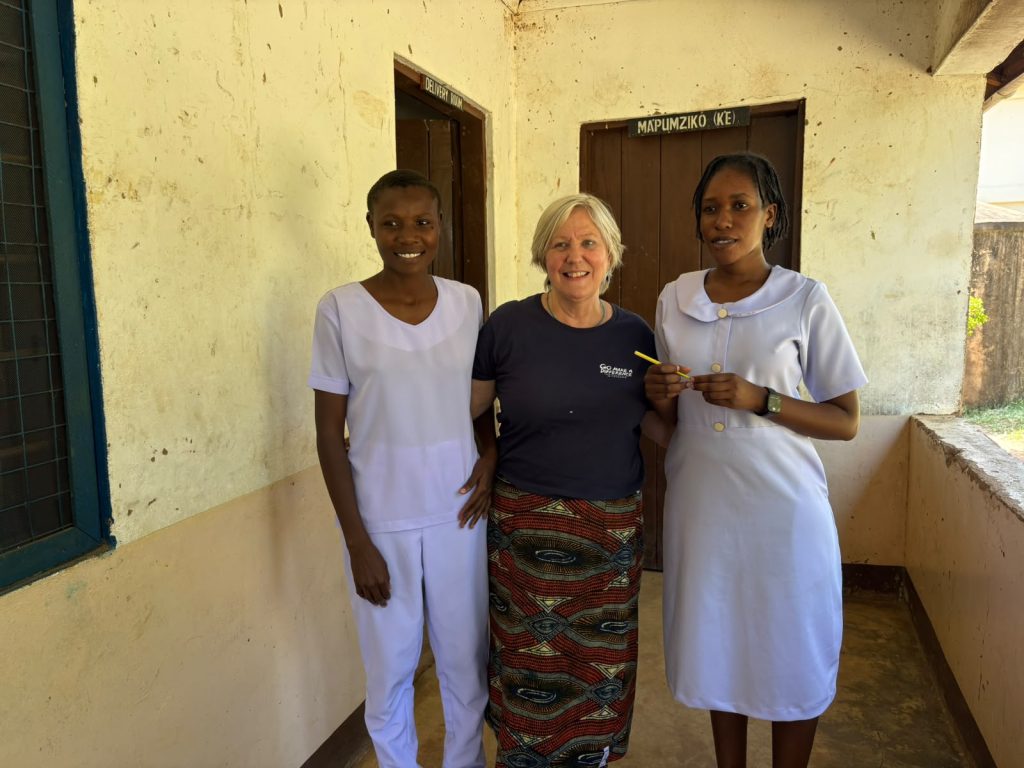
2026 has been a year of transition at Butuguri Health Centre. Midwife Mariam, who had served the clinic since October 2023, and Anastazia, who joined in October 2025 to support the growing workload and shift coverage, were both transferred by the Government to newly established hospitals in other regions of Tanzania.
While their departures were a significant loss, we were fortunate to recruit two excellent replacements quite quickly. Flora joined the clinic in February 2026, followed by Bahati in March 2026. Their appointments have ensured continuity of care and allowed the valuable work established by Mariam to continue without interruption.
The ability to recruit and retain these midwives is only possible because of the financial support provided by CHOKO. In a rural health centre such as Butuguri, access to skilled maternity care depends directly on having trained midwives available around the clock. The funds raised by CHOKO are therefore not simply supporting salaries; they are helping to save lives by ensuring that expectant mothers and newborn babies have access to professional care when they need it most.
Flora and Bahati have been warmly welcomed by the local community. Families attending the clinic have responded positively to their care, and both midwives report that they are happy in their roles and have settled well into life at Butuguri.
A new doctor, Dr Alberta, also recently joined the health centre. Having arrived only one week before our visit on 16th June, it was not yet possible to obtain updated records on the most common medical conditions being treated at the clinic.
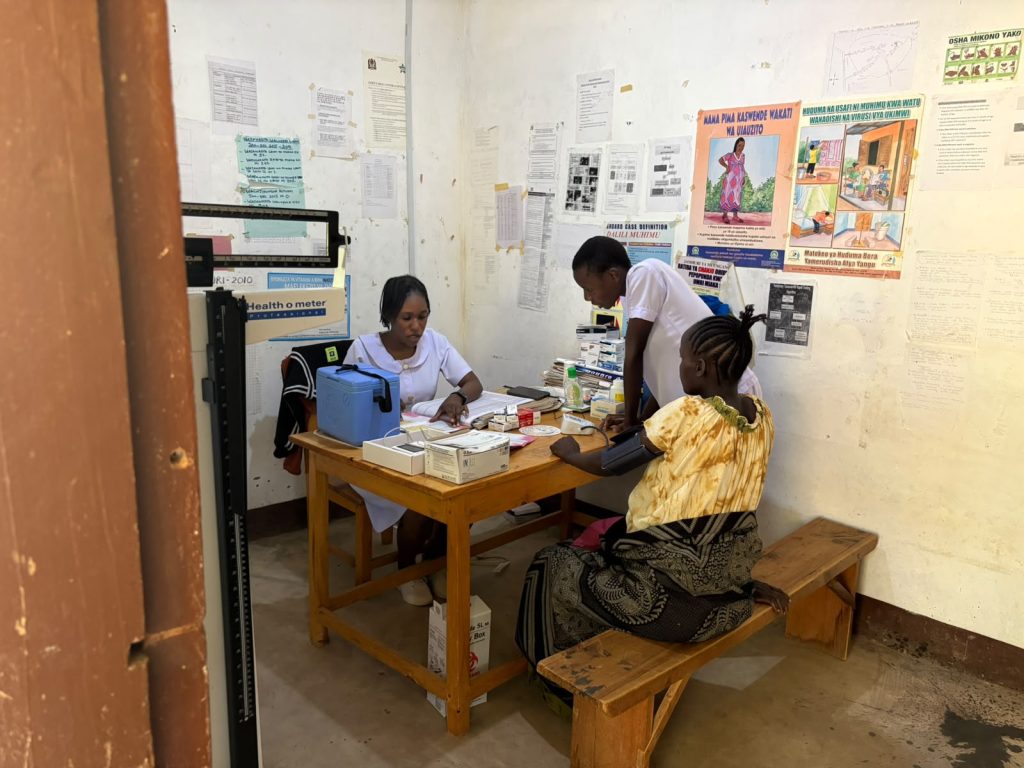
The health centre continues to be extremely busy throughout the week. Doctor consultations and childhood vaccination clinics remain very well attended, providing essential immunisations against diseases including tuberculosis (TB), polio and rotavirus amongst others.
Every Tuesday morning, the antenatal clinic begins at 8.00am, followed by a parent education class. More than 30 women regularly attend these sessions each week. Partners are strongly encouraged to participate so that mothers receive consistent support throughout pregnancy and after childbirth. The classes provide valuable guidance on healthy pregnancy practices, safe delivery preparation, and postnatal care for both mother and baby.
The Thursday mother-and-baby clinic also continues to attract excellent attendance, with up to 60 women attending regularly. Flora and Bahati have successfully continued Mariam’s work in encouraging expectant mothers to attend antenatal appointments and access free healthcare resources, including folic acid supplements, vitamins and mosquito nets.
Women expecting their first baby, or those with underlying medical conditions, are advised to deliver at the larger Government hospital in Butiama, approximately 15 kilometres away, where more specialised care is available if required.
Malaria and acute respiratory infections remain major health concerns, particularly during the rainy seasons. Diarrhoeal illnesses in infants also continue to pose significant risks to child health.
Encouragingly, there have been no stillbirths, neonatal deaths or maternal deaths reported to date. During May and June alone, there were 64 births at the health centre. Since joining the clinic earlier this year, Flora and Bahati have safely delivered 126 babies.
A recent case highlights the importance of having skilled healthcare professionals available at the clinic. One week before my visit, a pregnant woman arrived showing symptoms of pre-eclampsia, a life-threatening condition for both mother and baby. Immediate arrangements were made to transfer her to Butiama Hospital for urgent specialist treatment. The prompt assessment and action taken by Dr Alberta and the midwives ensured that both mother and baby received the care they urgently needed. Without their expertise and rapid response, the outcome could have been very different.
The reputation of Butuguri Health Centre continues to grow. Women regularly travel long distances to attend the clinic, often bypassing other healthcare facilities because they believe the quality of care and personal attention provided is superior. One mother I met, Neema Julius, had walked for three hours with her baby to attend the mother-and-baby clinic. She explained that the journey was worthwhile because she trusted the care provided and wanted her baby to be properly assessed.
The four-bed maternity rest room built by Go MAD remains the preferred place for women to stay both before labour and during the immediate postnatal period. According to the midwives, the facility is used regularly and continues to provide safe and comfortable accommodation. All mosquito nets were observed to be in good condition.
The clinic also continues to support expectant mothers living with HIV by providing free antiretroviral medication during pregnancy and after delivery. This service plays a crucial role in reducing the risk of mother-to-child transmission and helping both mothers and babies remain healthy.
One of the most significant improvements at the health centre has been the introduction of a two-midwife rota system. Flora and Bahati now work alternating day and night shifts, ensuring that expectant mothers have access to skilled care 24 hours a day. This round-the-clock coverage provides reassurance to women and their families and significantly improves the clinic’s ability to respond to emergencies.
Before Anastazia joined the team, Mariam effectively provided 24-hour cover on her own, working during the day and sleeping at the clinic at night in case she was needed. While she did this with remarkable dedication, it was not a sustainable arrangement. The current rota system is a much safer and more effective model of care.
CHOKO’s support extends beyond salaries. The organisation also funds accommodation for Flora and Bahati close to the clinic, enabling them to remain readily available for emergencies. In addition, the midwives share a bicycle purchased through the generosity of one of last year’s summer teams, helping them travel efficiently to and from the Clinic.
The impact of CHOKO’s support cannot be overstated. By funding the midwives’ wages and accommodation, CHOKO is ensuring that mothers and babies in this remote rural community have access to skilled maternity care every day and night of the year. The result is safer pregnancies, safer deliveries, healthier babies, and lives that might otherwise be lost being protected through timely, professional care.